
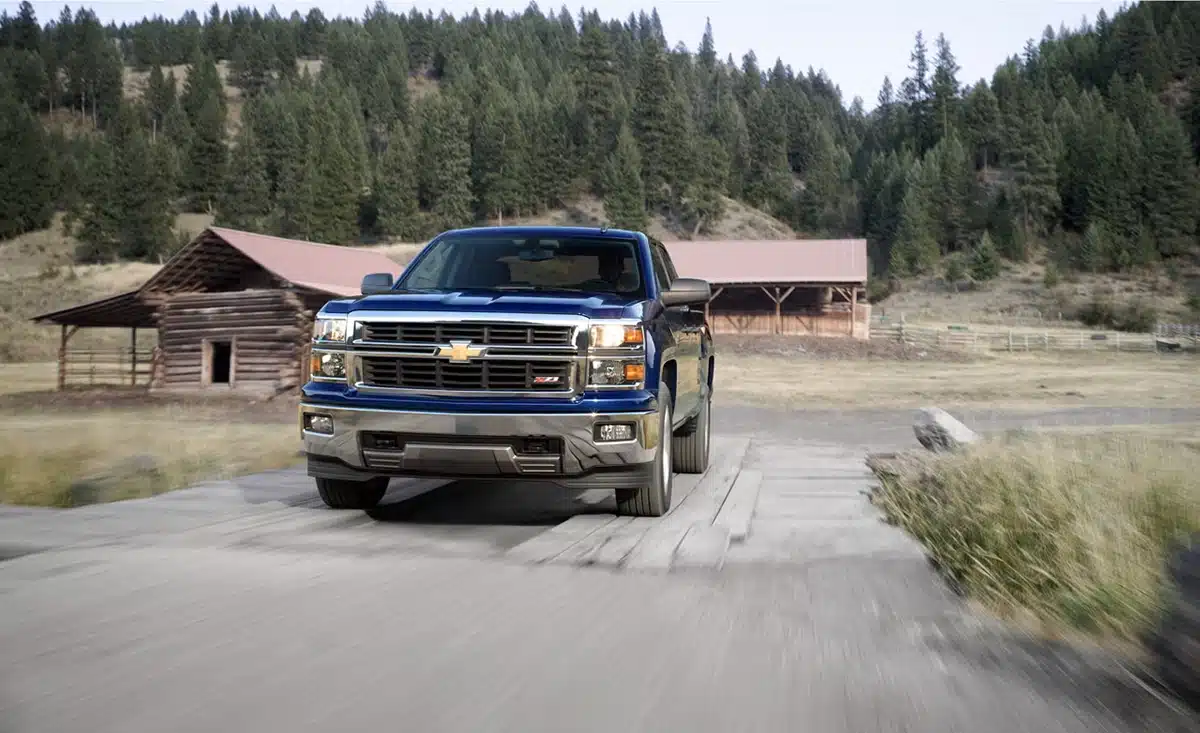
It has been just over a decade since GM V8 engine technologies like cylinder deactivation and light-weight oils became standard, how have they impacted sales?
This question was raised by a recent commenter on a video about next-gen 2027 GMC Sierra 1500 spy photos. The comment said, “heavy weight oil, no cylinder deactivation, no auto start/stop, GM would be on top again.”
What does this mean to be on top? Is the reference to quality? Lots of people are taking shots at GM’s reliability with several issues impacting engines and 10-speed transmissions as of late. However, what about sales? Isn’t that the real measure of a successful business?
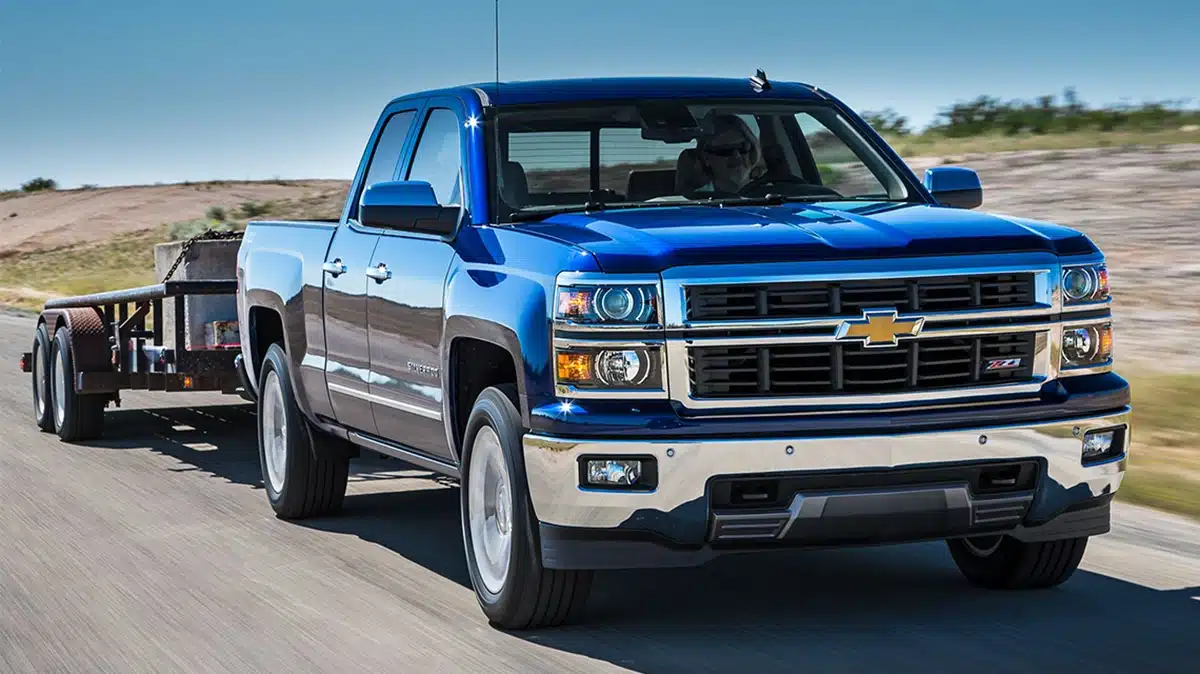
2014 Chevy Silverado 1500 debuts with new engine technologies
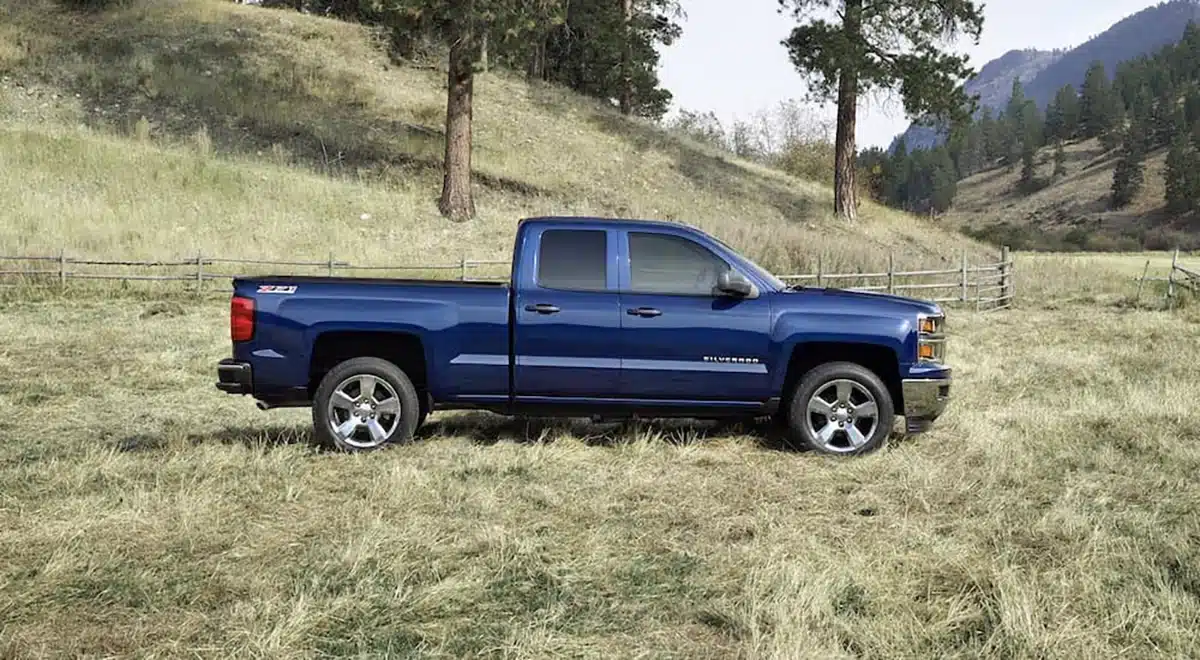
Going way back into General Motors archives, they had the original press release for the 2014 Chevy Silverado 1500, the first year they made several new engine technologies like cylinder deactivation, aka Active Fuel Management (AFM) standard. It had been an optional item starting in 2010.
For this model year, the press release states a “Trio of New EcoTec3 Engines Power 2014 Silverado 1500.”
These engines include the 4.3L V6, a 5.3L V8 and a 6.2L V8.
GM stated these engines feature “three state-of-the-art technologies – direct injection, cylinder deactivation and continuously variable valve timing.”
These three new engine technologies have had their critics over the years.
What’s the controversy with cylinder deactivation?
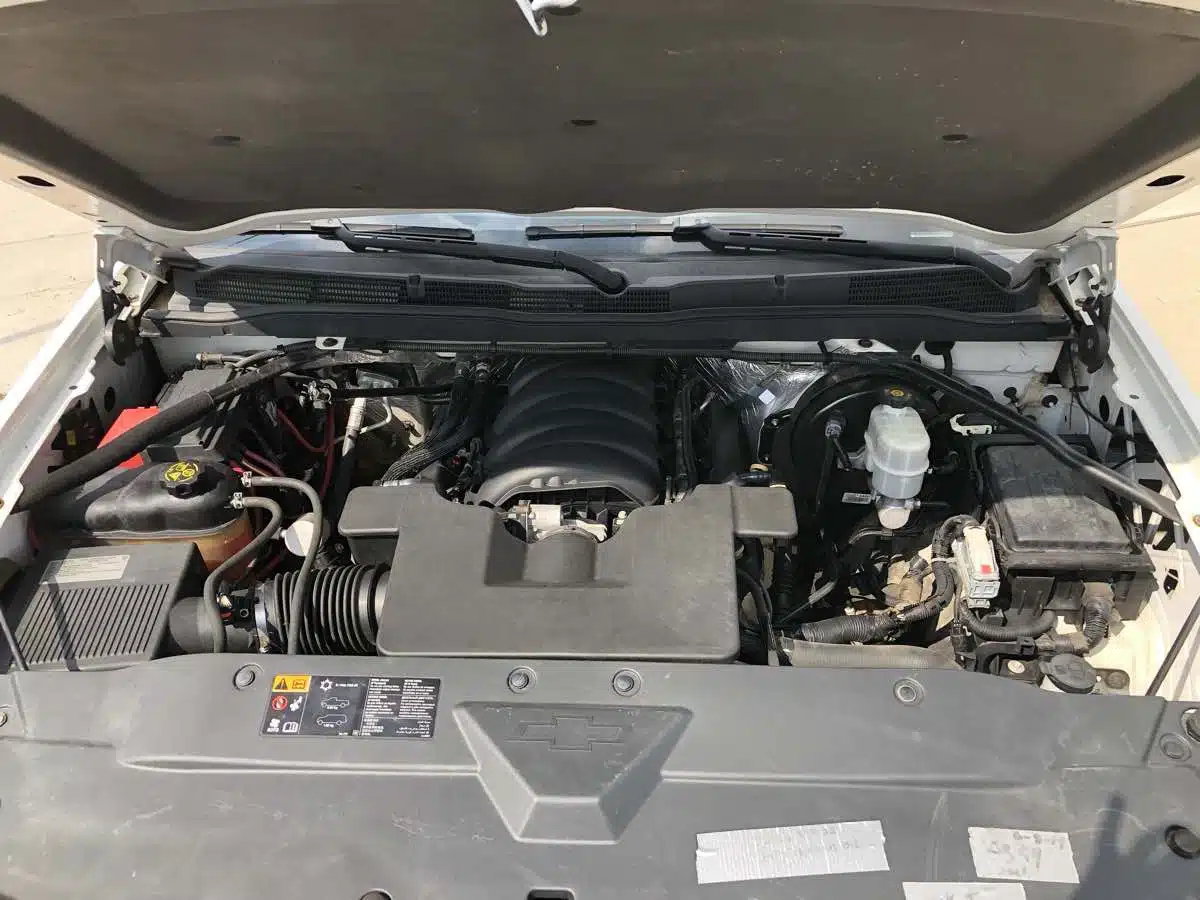
Since the introduction of the cylinder deactivation mode in the light-duty trucks, it has been controversial with the public and some mechanics.
GM praised the system.
“For the 2014 Silverado 1500, these larger displacement EcoTec3 engines can now instantly switch to four cylinder mode to improve efficiency when less power is required. It gives customers the best of both worlds – a rugged truck engine when they need it, with improved efficiency in light-load driving,” said Jordan Lee, Small Block chief engineer and program manager, in the May 5, 2013 press release.
The critics of the system point to it as the reason behind engine lifters failure with the constant activation and deactivation of cylinders putting extra stress on them, especially in stop-and-go driving conditions.
They also see lifter failure issues with the oil fuel pumps getting clogged or low oil pressure due to cylinder deactivation working too fast.
GM has steadfastly denied those claims in various interviews with me and has since introduced Dynamic Fuel Management which is even more aggressive at shutting down cylinders when the truck doesn’t need the extra horsepower.
Light-Weight Oils Causing Engines to Fail?
Another big issue for the 2014 model year was the introduction of 0W20 oil and longer oil intervals which GM saw as a way to “save owners’ money by avoiding unnecessary oil changes.”
The new engines use “Dexos oil for increased fuel efficiency and longer oil life, and V8s are engineered to use OW20 oil to improve lubrication and reduce friction.”
The prior generation Vortec engines used 5W30 oil and while they used the same oil-life monitoring system, not a mileage interval, they did have more frequent oil changes.
Critics of the thinner oil claim it simply isn’t thick enough to protect the engine, the longer oil intervals push the oil beyond its ability to hold up and its all meant to just get you beyond the warranty period before the engine blows up.
Direct Injection Leads to Carbon Buildup Concern
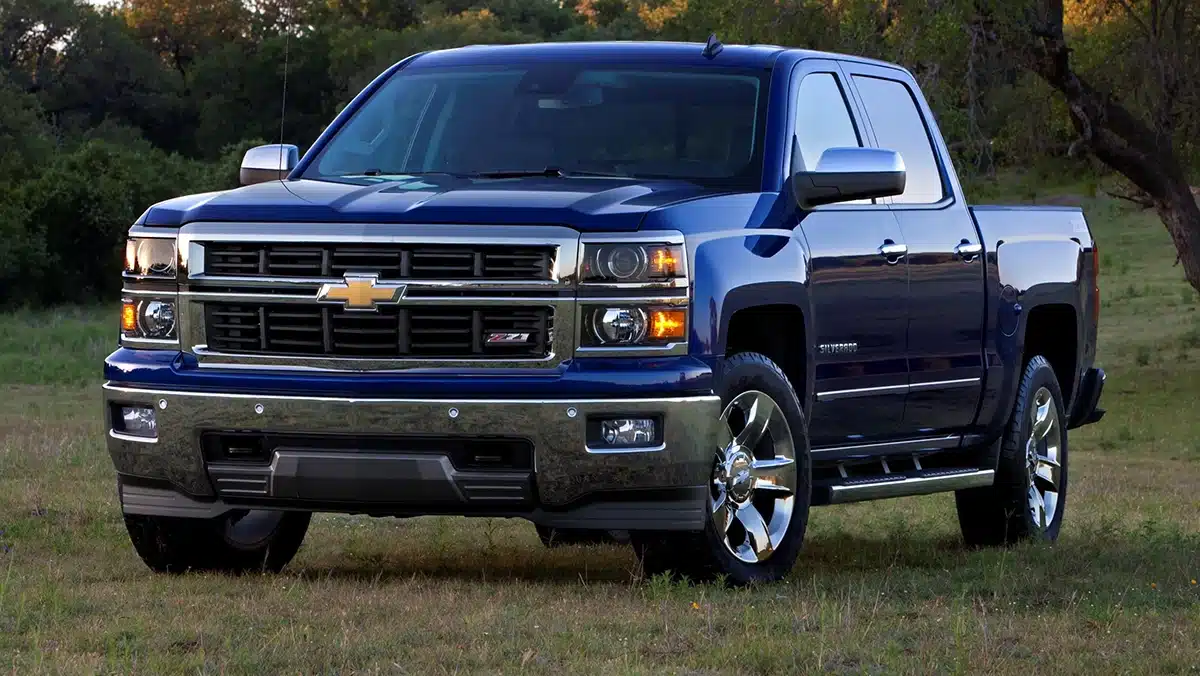
One of the final criticisms of the new engine design is the use of direct injection.
This technology “precisely meters fuel directly into the cylinders, to optimize combustion over a broad range of conditions.
The engines also feature a new cylinder-head design and a new, sculpted piston to optimize the mixing of air and fuel in the engine and burning of the mixture to create power.”
The criticism of using direct injection is without also using port injection, spraying fuel into the intake port before it enters the combustion chamber, any oil suspended in the air gets sucked on top of the injectors and causes carbon buildup reducing the efficiency of the engine.
GM has countered this claim with photos of engine lab results showing no carbon buildup after hundreds of thousands of miles, however, there are those who simply don’t buy it.
Does any of this engine technology actually improve the truck’s performance?
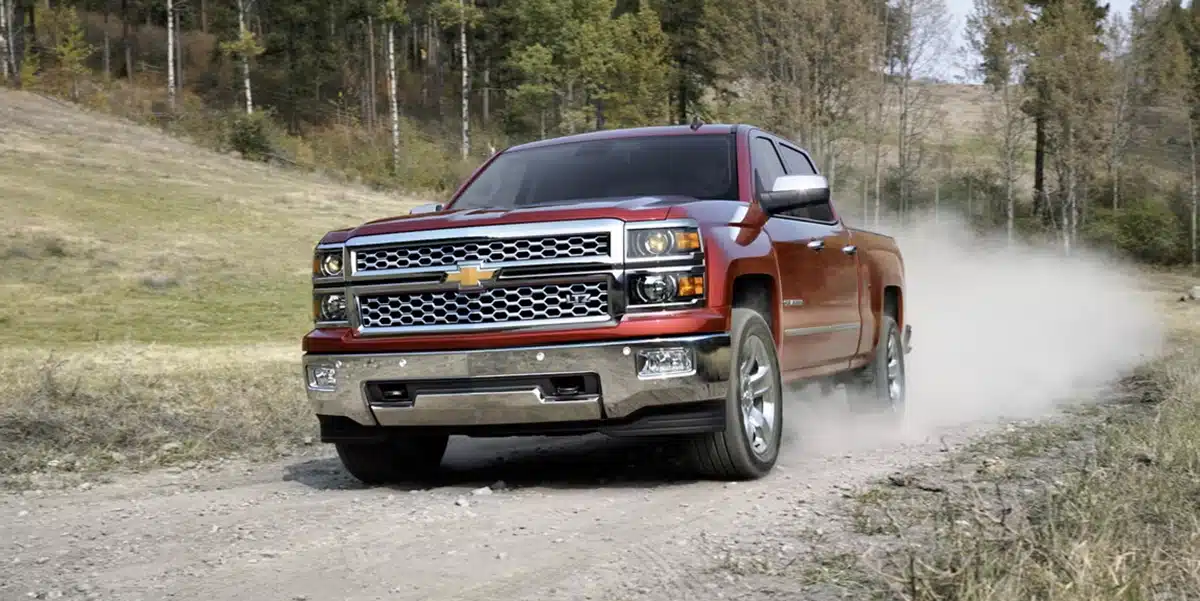
Before we get to the sales question, let’s discuss does any of this engine technology actually improve the truck’s performance.
Looking back at the 2013 model year with the Vortec engine family and comparing the base 5.3L V8 engine versus the 2014 EcoTec3 V8 engine, the answer is clearly yes.
Have GM Sales Suffered Since Bringing Out New V8 Engine Technology?
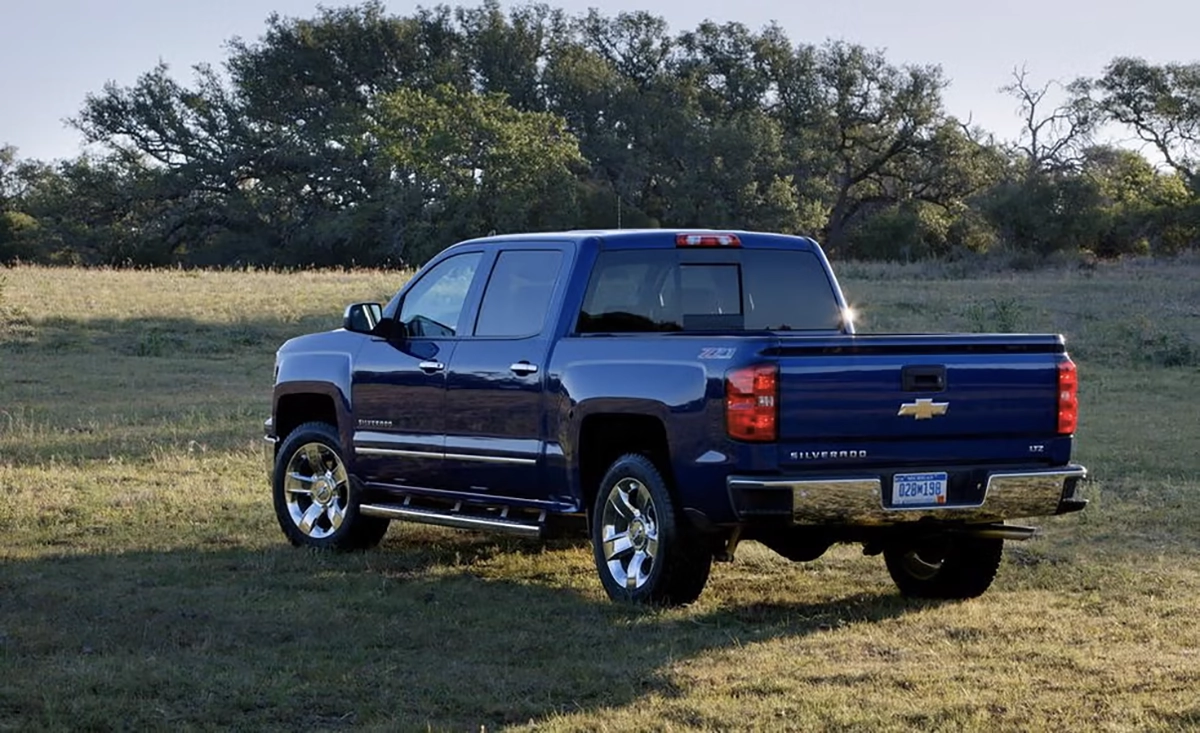
Finally, while critics point out reliability concerns, what does the buying public say? Has GM sales suffered?
Using publicly available data, I polled together data going back to 2005 through 2024. I then averaged the five years of sales prior to the 2014 model since it introduced all the new V8 engine technology as standard and the five years afterward. I also averaged the last 5 years of sales since 2024. This represents the newest model on the market making its debut in 2019 with the dynamic fuel management.
Here are the results for the Chevrolet Silverado:
The results for the GMC Sierra:
This does include heavy-duty trucks since there is no way to separate out those numbers with publicly available information. We know from the latest sales reports from GM with the information separated out, GM HD trucks account for roughly 30% of total truck sales.
The reality then is the truck’s performance is better and sales are up. Reliability remains the item that is up for debate with some people having no issues while others see GM engines being nothing but problems.
It is worth noting the research team at iSeeCars.com found the Chevrolet Silverado 1500 as 3 times more likely to reach 250,000 than the average vehicle, while Consumer Reports has ranked the GM V8 engines poor for reliability for the last several years.
The post Have GM V8 Engine Technologies like Cylinder Deactivation, Light-Weight Oils Actually Hurt Truck Sales? appeared first on Pickup Truck +SUV Talk.
Want to see more exclusive content like this? Follow PickUp Truck Talk on MSN.
Related Headlines
- 2026 Toyota Tacoma Adds Standard Tow Hitch, Logo Tweaks, New Colors
- Top 5 Contenders to Buy Scout Motors
- How Running Boards Improve Vehicle Safety and Accessibility
- VW is in Big Financial Trouble! Should It Sell Scout Motors?